Pakistan opens new trade routes with Iran amid Hormuz blockade
After the closure of Iranian ports due to the US naval blockade, Pakistan has officially opened six land routes for sending goods to Iran. Thousands of containers are stuck at the Karachi port. This step has been taken primarily to move them. Pakistan’s Ministry of Commerce issued the ‘Transit of Goods through Pakistani Territory Order 2026’ on April 25. The order came into effect immediately. As a result, goods coming from third countries can be sent to Iran by road through Pakistan.
These six routes connect major ports of Pakistan like Karachi, Port Qasim and Gwadar with Iran’s Gabad and Taftan borders. These routes pass through Turbat, Panjgur, Khuzdar, Quetta and Dalbandin in Balochistan. The shortest route is the Gwadar-Gawad corridor. It will take only two to three hours to reach the Iranian border through this route. It usually takes 16 to 18 hours to reach the Iranian border from Karachi. According to officials, the Gwadar-Gabad route will reduce transportation costs by 45 to 55 percent compared to Karachi.
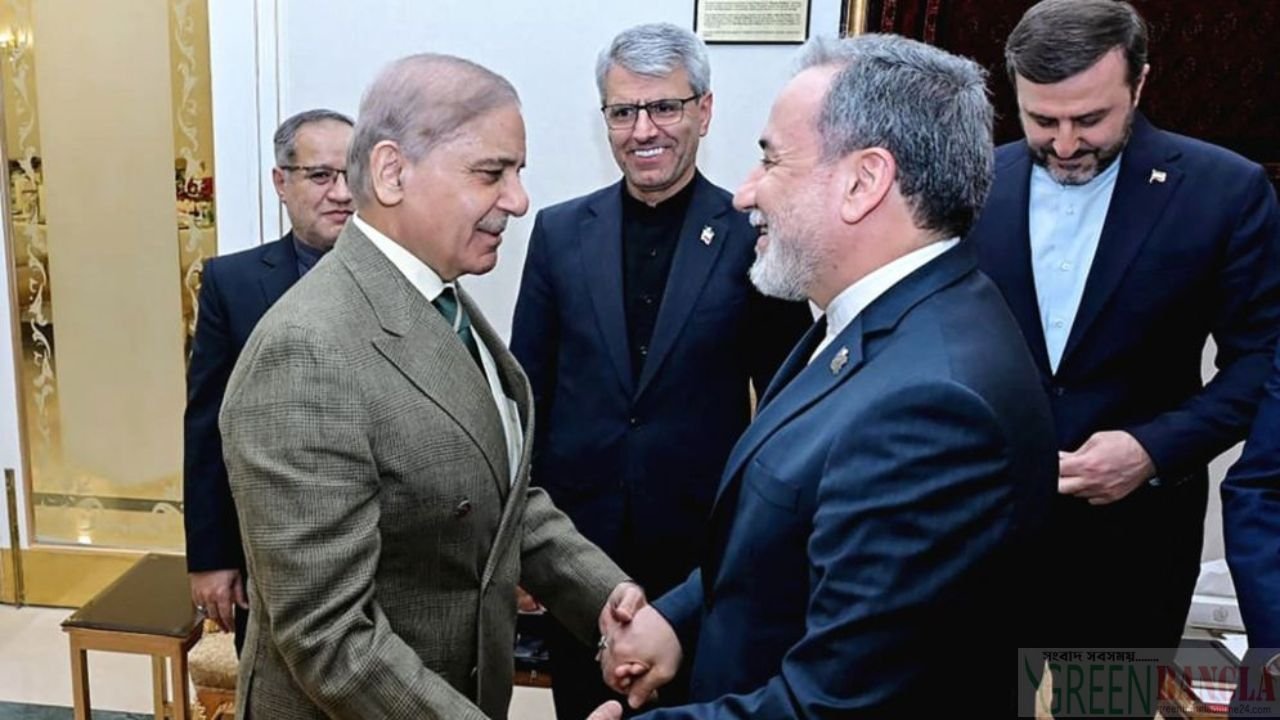
The announcement came as Iranian Foreign Minister Abbas Araghchi met Prime Minister Shahbaz Sharif and Army Chief Asim Munir in Islamabad. Pakistan is trying to mediate to end the two-month-long war between Washington and Tehran. Commerce Minister Jam Kamal Khan called the initiative “an important step to increase regional trade and strengthen Pakistan’s role as a key trade corridor.”
It is worth noting that goods from India are not covered by this transit facility. An order issued after the Indo-Pakistan war in May 2025 banned the transport of Indian goods through Pakistan. On April 13 this year, Washington imposed a naval blockade on Iranian ports, cutting off Iran’s maritime communications. Since then, more than 3,000 containers bound for Iran have been stuck at Karachi port.
“This is a major shift. Pakistan can now bypass Afghanistan entirely for its Western trade,” said analyst Iftikhar Firdous. “While the transit importance of Kabul and its impact on revenue is not immediate, it is strategic.” He added that the corridor would establish Pakistan as a major land gateway to West Asia through a China-backed trade route.
However, Peshawar-based analyst Minhas Majeed Marwat sounded a note of caution. “The opportunity is real. The risk is real. The security situation on the northwest and southwest borders is something that could throw everything into disarray,” he wrote in X.