Tanker traffic through Hormuz increases, energy market stabilizes
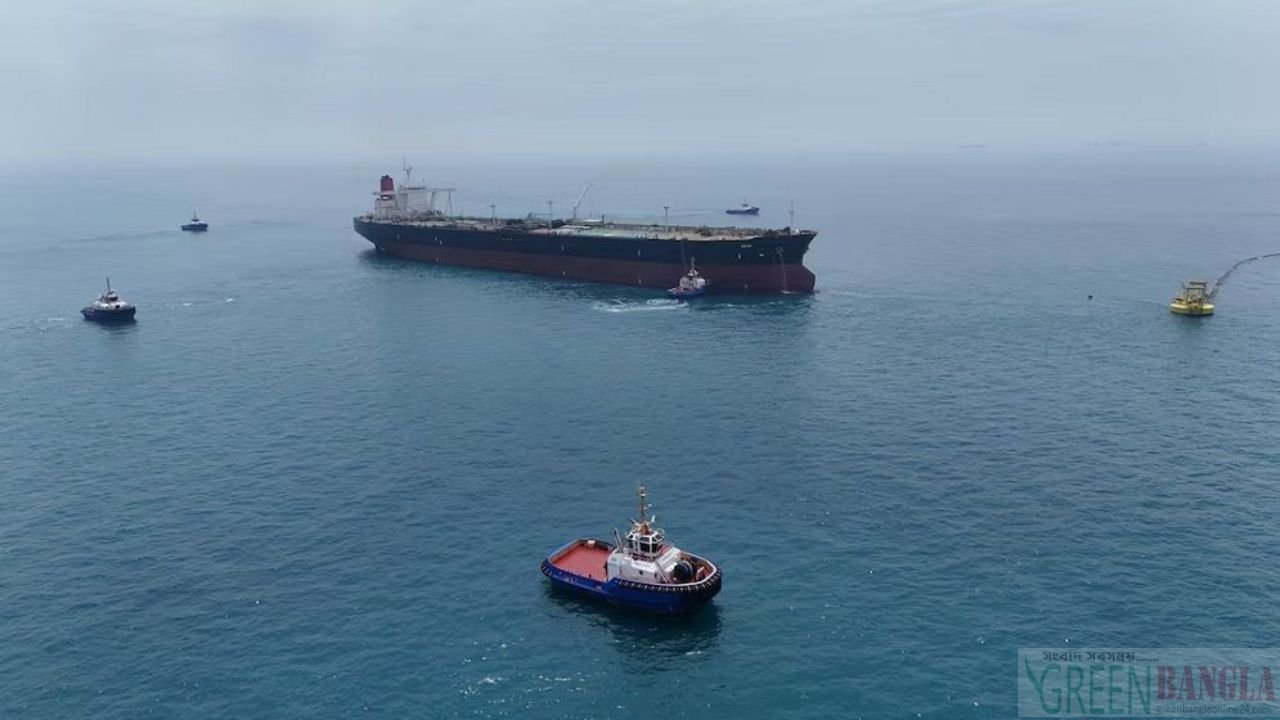
Oil tanker traffic through the Strait of Hormuz has started to increase again as signs of a possible peace deal between the US and Iran are emerging. According to shipping data, at least two Chinese oil tankers passed through Hormuz and left the Gulf on Wednesday (May 20). Al Arabiya reported this. According to analysts, this indicates that the ongoing conflict between the US, Israel and Iran may soon subside.
US President Donald Trump said on Tuesday that he hopes the war will end ‘very quickly’. At the same time, US Vice President J.D. Vance said that positive progress has been made in talks with Tehran. ‘We are in a very good position now,’ Vance said at a press conference at the White House.
Trump demands an end to attacks:
Trump said that he had postponed a possible military strike after receiving a new peace proposal from Iran. “I was just an hour away from deciding to strike today,” he said. However, he warned that a new US attack on Iran could happen within days if no deal is reached.
Global pressure on the Strait of Hormuz:
Reopening the Strait of Hormuz, one of the world’s most important energy routes, has become a major political and economic challenge for the United States. Hundreds of oil tankers have been unable to leave the Gulf due to the long conflict.
According to LSEG and Clapper, two Chinese supertankers have passed through the strait carrying about 4 million barrels of Iraqi crude oil. Oil prices also fell slightly on the positive peace message. Crude oil prices fell to around $110 per barrel, although they later recovered somewhat.
Negotiations are complicated:
Vice President Vance acknowledged that internal divisions within the Iranian leadership are complicating the negotiations. “Sometimes the Iranian negotiators’ positions are not entirely clear,” he said. On the other hand, the head of Iran’s National Security Committee, Ebrahim Azizi, claimed that the United States has understood that if it launches a new attack against Iran, it will face a harsh military response.
Iran’s new proposal:
According to Iranian state media, Tehran’s new peace proposal calls for a ceasefire on all fronts, including Lebanon, the withdrawal of US troops from areas near Iran, and compensation for the damage caused by the attack.
Tehran has also demanded the lifting of sanctions, the return of frozen funds, and the lifting of the US naval blockade. However, according to international analysts, Iran’s new proposal does not make any major changes from their previous position.
Ceasefire in effect but tensions remain:
Although the ceasefire took effect in early April, there have been recent allegations of drone attacks by Iranian-backed groups.
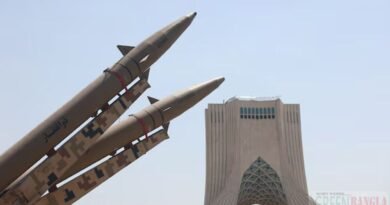
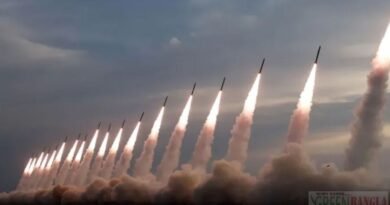
The United States and Israel say their aim was to weaken Iran’s nuclear program and the capabilities of regional armed groups. However, analysts say Iran’s missiles, drones and regional influence have not yet been fully contained. Overall, while the ceasefire in the Middle East is in effect, extreme tensions remain across the region.