Houthi attack on Saudi oil facilities
Despite a temporary pause in US strikes, the Middle East conflict risks escalating. Yemen’s Iran-backed Houthi rebels have attacked oil facilities on Saudi Arabia’s Red Sea coast. The US military said on Saturday (July 25) that its naval blockade of Iran was still fully in effect. However, no explanation was given for the sudden cessation of airstrikes that have lasted for 13 nights.
A senior official in US President Donald Trump’s administration said that President Trump has always prioritized a diplomatic solution. But he has made it clear to Iran what the consequences could be if the country does not come to talks in earnest.
A New York Times report said that Trump has for now backed off plans to escalate attacks on Iran. The report, citing two people familiar with the discussions, said the decision was made due to the risk of a wider conflict, the depletion of US defense equipment stocks, deteriorating relations with Persian Gulf allies and the negative impact on energy supplies and the global economy.
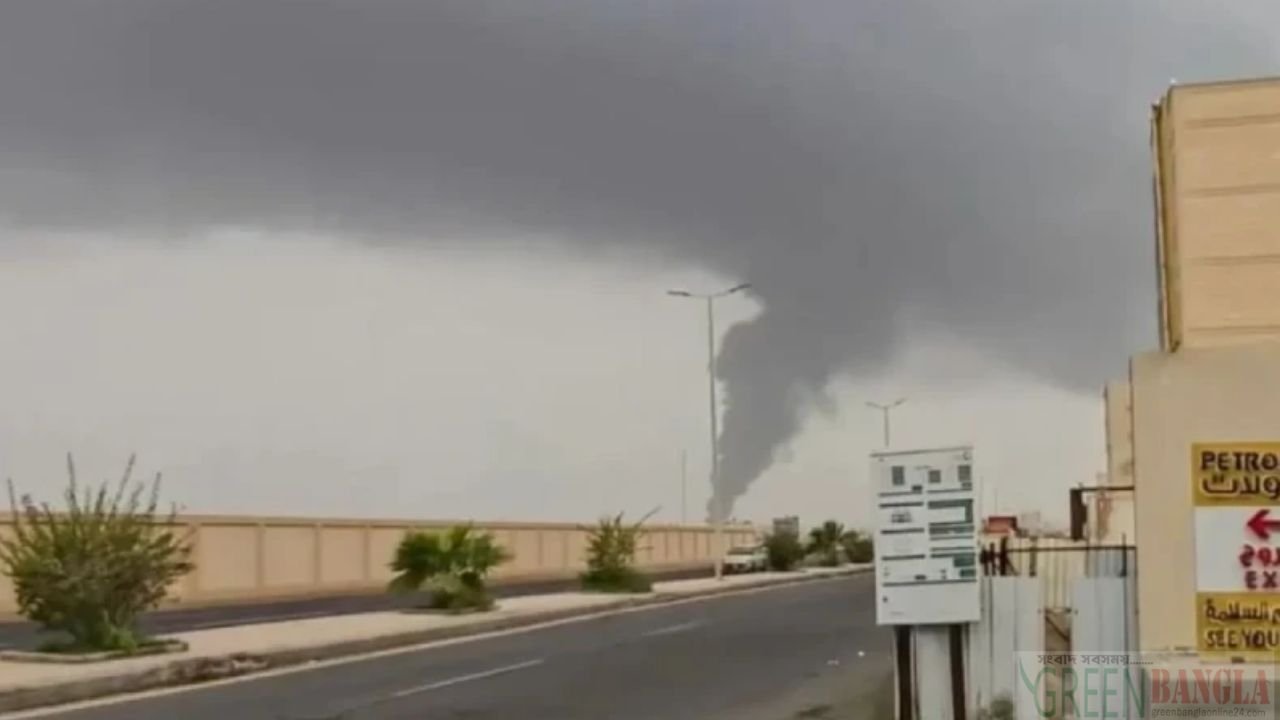
There were no new reports of Iranian attacks on neighboring countries yesterday. Earlier, Iran had been carrying out daily attacks on various targets in response to the US strikes. Yesterday, Houthi military spokesman Yahya Sari said that the attacks targeted Saudi state oil company Aramco’s facilities in Jizan and Yanbu.
A video posted on social media and verified by Reuters showed thick smoke rising from the Aramco oil refinery in Jizan. Two Asia-based energy trade sources said that there was a risk of damage to the fuel and oil storage facilities in Jizan. However, Aramco did not immediately comment on the matter.
Meanwhile, according to Greek security sources, a US Patriot missile defense system operated by the Greek forces deployed in Saudi Arabia shot down two ballistic missiles aimed at the Yanbu oil facility. Yanbu, located on the Red Sea coast, is currently one of Saudi Arabia’s most important oil export ports. Iran’s blockade has made it an alternative to the Strait of Hormuz. And the Jizan refinery, located on the Yemeni border, has the capacity to process about 400,000 barrels of oil per day.
Saudi-backed Yemeni government officials said their air force had struck Houthi missile launch sites and weapons depots in Marib and al-Jawf provinces. Earlier on Friday, the Saudi-led coalition reported airstrikes on Houthi military positions in the Red Sea coastal city of Hodeidah. But they said port facilities were not targeted.
Yemeni officials said both sides in the civil war were now deploying new troops and weapons to the front lines. The Saudi-led Arab coalition has been fighting the Houthis since they seized the capital Sanaa in 2014. The long conflict has killed millions of people due to fighting and famine. A 2022 ceasefire agreement, which was originally suspended, effectively collapsed this month.
The Houthis have also been actively involved in the war due to Iran’s ongoing conflict with the United States and Israel. Last week, the Houthis announced a naval blockade against Saudi Arabia. Houthi leader Abdul Malik al-Houthi warned that all Saudi oil installations were now potential targets. On Thursday, the group also claimed responsibility for attacks on two Saudi oil tankers in the Red Sea.