Oil prices rise on US-Iran counterattack in Hormuz
Global energy prices have risen as tensions between the United States and Iran over control of the Strait of Hormuz have escalated. Brent crude prices rose more than 4 percent on Monday (July 13) after the two countries retaliated in this vital waterway. Brent crude futures for September delivery, one of the world’s main oil indexes, reached $79.26 a barrel as of 5 a.m. GMT on Monday. This is the highest price since June 22.
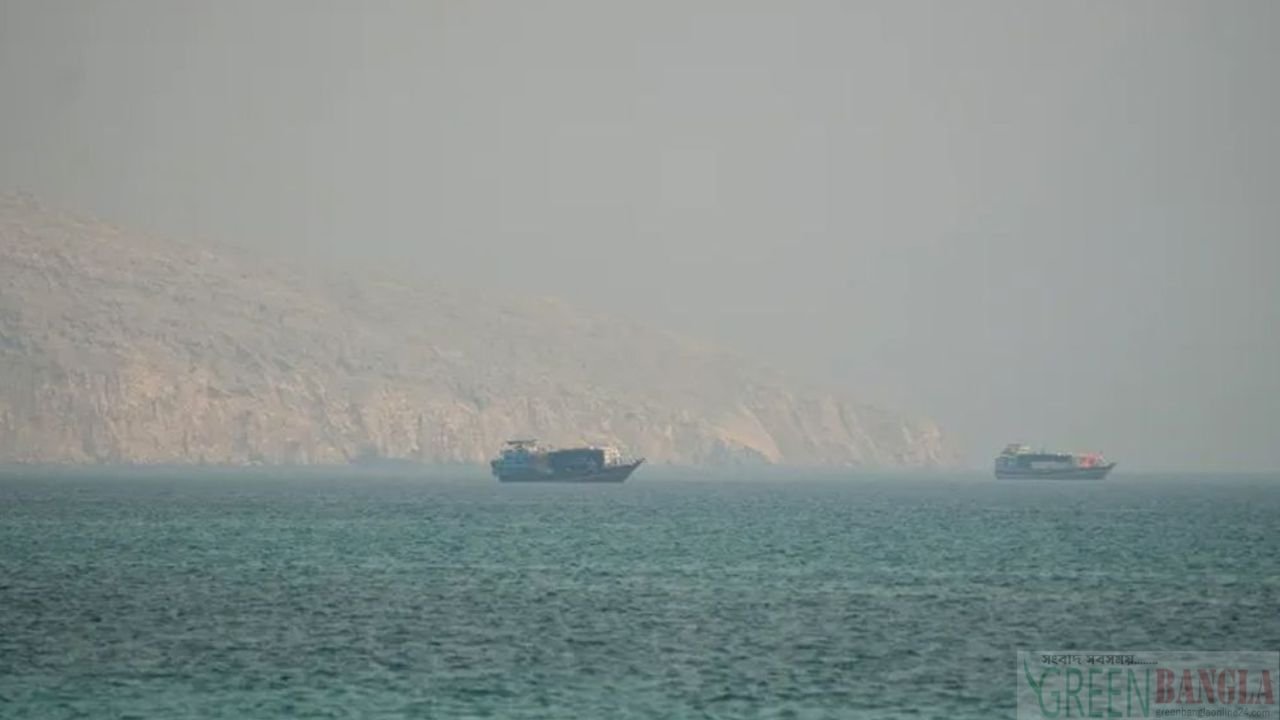
The Strait of Hormuz is a very important waterway for the world’s energy supply system. About a fifth of the world’s total oil trade is transported through this narrow waterway connecting the Persian Gulf and the Gulf of Oman every day in peacetime.
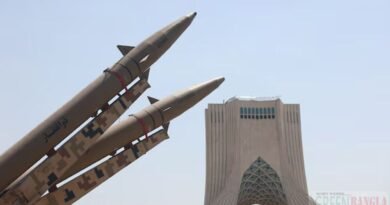
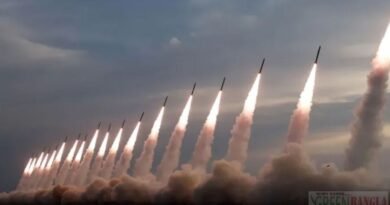
Yesterday, Sunday (July 12), the US Central Command (CENTCOM) said that it had carried out dozens of strikes on Iran to reduce its ability to attack ships in the Strait of Hormuz. Washington announced the new operation hours after hundreds of attacks on various facilities in the country.
The United States alleged that Iranian forces “clearly” attacked the Cyprus-flagged container ship MV GFS Galaxy as it passed through the Strait of Hormuz. The US forces have claimed to have carried out the operation in response.
“The Strait of Hormuz is a vital waterway for global trade. It is not under Iranian control,” Centcom said in a statement. “The US forces are prepared to ensure the freedom of commercial shipping. Freedom of navigation will be maintained despite Iran’s unprovoked aggression, harassment, threats and unilateral actions.”
However, Iran has also launched missile and drone attacks in response to the US attacks. On Sunday, Iranian forces were reported to have attacked various facilities in the United Arab Emirates, Qatar, Kuwait, Oman and Bahrain.
Meanwhile, Iran has also tightened its grip on the Strait of Hormuz. Iran’s Persian Gulf Strait Authority said that if a ship passes through the waterway without using its designated route, its safe passage will not be guaranteed.
In a statement, the agency said, “The responsibility for any consequences caused by unauthorized passage will lie with the ship’s owner, operating company and captain.” Shipping in the Strait of Hormuz had returned to normal after the US and Iran signed a memorandum of understanding last month to end the war. However, since the new conflict began, shipping has slowed again.
According to maritime intelligence agency Windward, only six ships passed through the Strait of Hormuz between 6pm GMT on Thursday and 6am on Friday, compared with an average of 18 to 22 ships using the route each day earlier this month. Nine ships were seen passing through the strait between Saturday evening and Sunday morning, four of them flying Iranian flags.
Oil prices are forecast to remain around $70 in August-September. Oil prices are currently about 9 percent higher than they were before the initial US and Israeli strikes on Iran. Mukesh Sahdev, founder and chief oil analyst at Sydney-based Exanalysts, believes that Brent crude prices could remain in the low $70s per barrel range in August and September if geopolitical uncertainty persists.
He said, “Prices can fluctuate from time to time depending on the situation. However, refiners make decisions several weeks in advance due to long-term supply planning.” According to him, the recent tensions could reinforce the trend of reducing dependence on the Middle East, which has already begun.
On the other hand, according to Fabien Ape, an analyst at IG Markets in Australia, oil prices are unlikely to rise much higher than before, despite the current instability. “Oil prices returned to pre-war levels in June, largely due to optimism that the US-Iran deal would succeed. But the tensions of the past week have shown how fragile that deal is.”
He said that short-term risks will continue to put some additional pressure on oil prices. However, the large price increases are unlikely to be as significant as before due to slow demand growth, tight oil supplies and increased OPEC+ production.
Asian stock markets also under pressure
The renewed conflict in the Middle East has also affected Asian stock markets. Several major indexes saw major declines on Monday. Japan’s main index Nikkei fell more than 2,252 percent in afternoon trading. South Korea’s KOSPI index fell more than 8 percent.
In addition, Hong Kong’s main index Hang Seng fell about 0.2 percent. According to analysts, if tensions over the Strait of Hormuz continue, it could have a major impact not only on the energy market, but also on global trade and financial markets.