
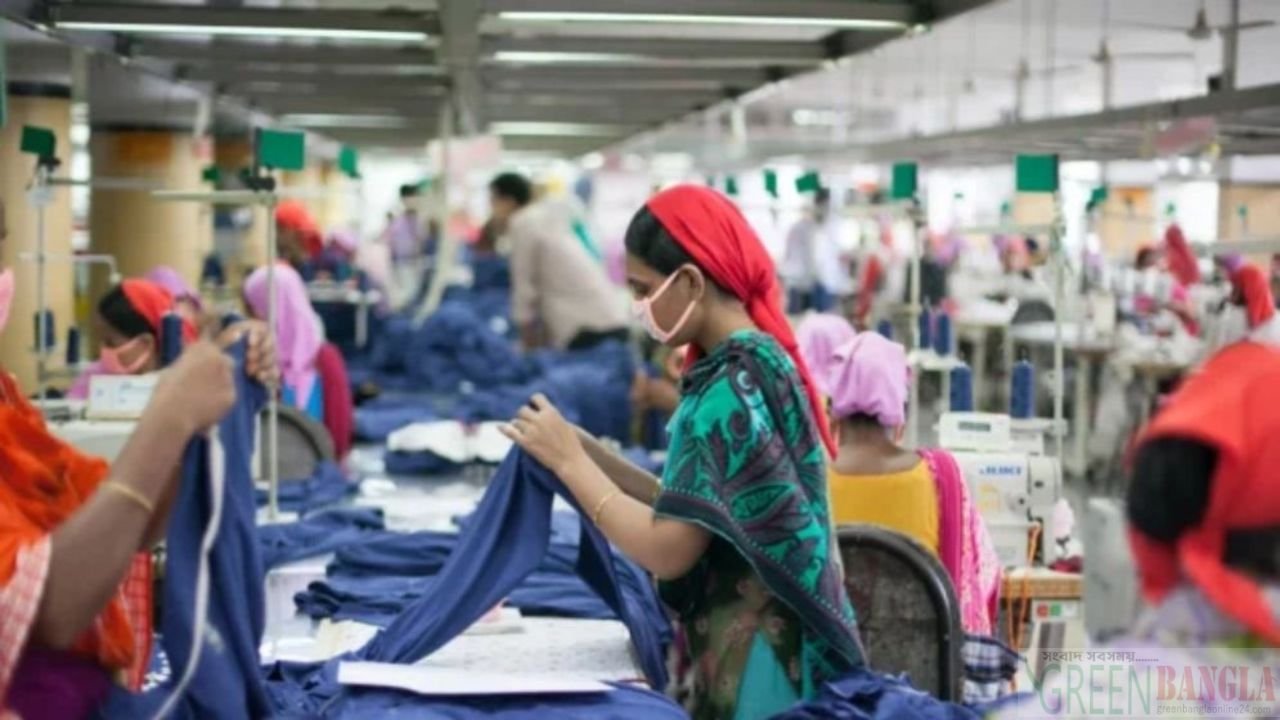
Bangladesh is now the second largest garment exporter to the United States
Despite a decline in ready-made garment exports to the United States, Bangladesh has risen to second place. Bangladesh has risen to second place as exports from second-place China, which was in second place due to the US’s counter-tariff policy, have significantly decreased. Vietnam has retained its top spot in the market.
According to the latest data released by the US Office of Textiles and Apparel (OTEXA), Bangladesh exported ready-made garments worth US$2.04 billion to the United States from January to March this year. This export is 8.38 percent less than the same period last year.
On the other hand, China’s ready-made garment exports fell by about 53 percent to US$1.7 billion in the first three months of this year. The country exported garments worth US$3.61 billion during the same period last year. As a result, the country lost second place to Bangladesh. Meanwhile, Vietnam has retained its top spot in the US market by exporting garments worth US$3.98 billion. The country’s market share in the garment sector is currently 22 percent, while Bangladesh’s share is about 11.5 percent.
The report said that in the first quarter of this year, the United States imported $17.73 billion worth of ready-made garments from various countries, which is 11.60 percent less than the same period last year. Among the top five exporting countries, only Vietnam’s exports increased. Exports from Bangladesh, China, India and Indonesia decreased. According to Autexa data, Indonesia’s exports fell slightly to $1.22 billion in the last three months. And India’s exports fell by 27 percent to $1.10 billion.
Analysts say that the US counter-tariffs have caused a major restructuring in the global apparel market. China is under the most pressure among the 157 countries covered by US President Donald Trump’s counter-tariffs. Later, the trade agreement with the US reduced the tariff rate on Bangladeshi products slightly, which brought some competitive advantages.
However, ready-made garment exporters say that the increase in product prices due to the tariffs and the increase in fuel prices due to the war situation in the Middle East have created inflationary pressure worldwide. As a result, purchase orders in the US market have recently decreased.