Iranian claim of attack on US warship in Hormuz ‘fabricated’: US
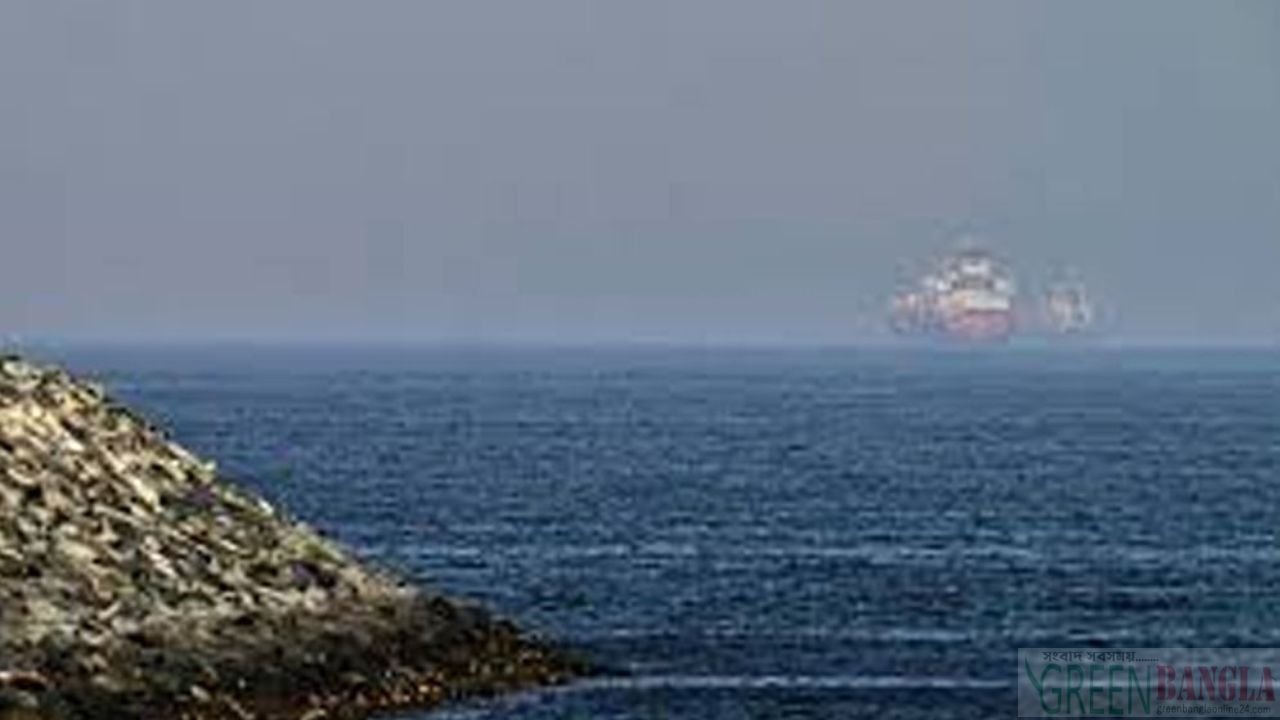
US Central Command (CENTCOM) has denied claims that an Iranian missile attack on a US warship near Jask Island in the Strait of Hormuz. In a post on X, CENTCOM said, ‘No US Navy ship was attacked.’ Earlier, the Islamic Revolutionary Guard Corps (IRGC) claimed that two missiles hit a US Navy ship near Jask Island after ignoring warnings.
The incident came as US President Donald Trump announced that ‘Project Freedom’ would begin on Monday. Essentially, this project would ‘guide’ ships stuck in the Strait of Hormuz to safety. However, the US Navy itself is in a state of turmoil due to the Iranian attack. But there was no immediate official response from the US regarding the attack.
Earlier, in a statement, the US Central Command (CENTCOM) said that the US would provide information to ships passing through the Strait of Hormuz, but that this would not be a formal ‘escort mission’ or direct escort of commercial vessels by the US Navy. CENTCOM also said that the initiative would involve the deployment of guided missile destroyers, more than 100 land and sea-based aircraft, and about 15,000 military personnel.
However, Iran had previously warned that any foreign interference in the Strait of Hormuz could further escalate tensions. Following such warnings, Iran launched missile attacks on US Navy ships in Hormuz. According to a report by Fars News Agency, the IRGC also released a new map of its controlled area in the Strait of Hormuz.
According to the published map, the western border of the controlled area is defined by a line extending from the westernmost tip of Iran’s Qeshm Island to the United Arab Emirates’ emirate of Umm al-Quwain. On the other hand, the eastern border is defined along a line extending from Mount Mubarak in Iran to the Emirate of Fujairah in the United Arab Emirates. However, it is not yet clear to what extent the control claimed by the IRGC has changed in this new map. US President Donald Trump’s ‘Project Freedom’ announced to resolve the shipping crisis in the Strait of Hormuz has practically failed to bring relief to the oil market. Oil prices were unchanged in the international market this morning. According to international standards, Brent crude futures for July delivery were at $108.11 per barrel this morning, down 0.06 percent from the previous day. Analysts are seeing this situation in the oil market as one of the biggest energy disasters in history. Meanwhile, the United Kingdom Maritime Trade Operations (UKMTO) said that the level of maritime security risk due to the ongoing military operation in the Strait of Hormuz is still at a ‘critical’ level.