Iran imposes new rules on the Strait of Hormuz
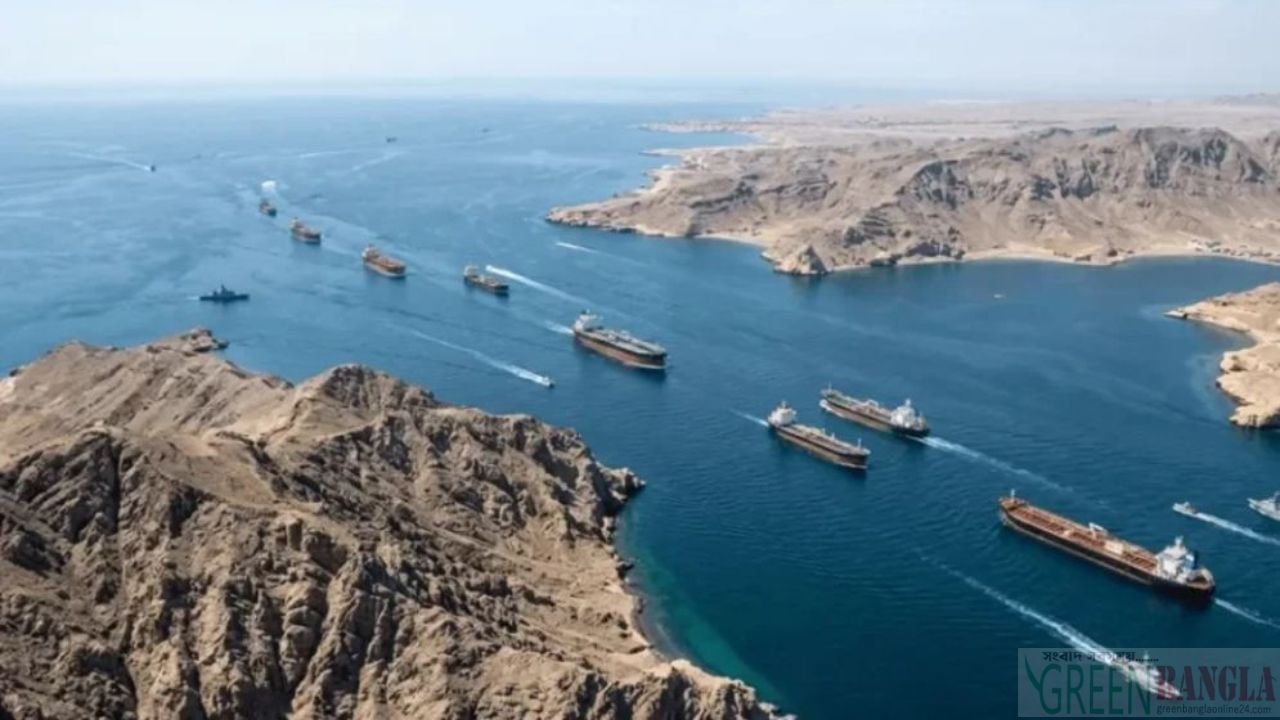
Amid the US-Iranian blockade of the strategic Strait of Hormuz, Tehran has imposed new restrictions on shipping. From now on, ships will have to obtain prior permission and pay a certain toll or fee to pass through this waterway. About one-fifth of the world’s total energy supply is transported through this narrow waterway, which is now directly controlled by Tehran.
According to the shipping journal Lloyd’s List, the Persian Gulf Strait Authority (PGSA) has introduced a new framework. Under it, ships will have to fill out a form called the Vessel Information Declaration to obtain transit approval. This form contains more than 40 questions, where it is mandatory to provide detailed information about the ship’s ownership, insurance, crew or sailors, and specific information about the proposed route. Tehran must also provide the ship’s current and previous name, identification number, origin and destination, and cargo details.
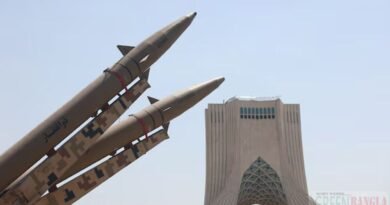
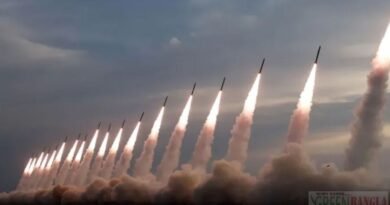
Iranian state media confirmed that the special measure was designed to establish sovereignty over the Strait of Hormuz. The country’s military has warned that those who comply with US sanctions on Iran will face extreme difficulties in passing through the strait. Countries such as India and Pakistan are already trying to ensure the safe passage of their flagged ships through talks with Tehran. However, Iran has indicated that ships affiliated with the US and Israel will not be allowed to use the route.
Meanwhile, Washington is strongly opposing Iran’s move. The Trump administration has warned ships not to pay the toll. The US has also taken the initiative to pass a resolution at the United Nations with Bahrain, although Russia has indicated that it will veto the proposal.
The standoff in the waterway, which began in February amid a Middle East war, is currently causing major instability in the oil market and the global economy. Supreme Leader Mojahedin Khamenei has said that they will use control of the Strait of Hormuz as a key weapon to stop foreign interference in the region and build a “strong Iran”.
Source: NDTV.