
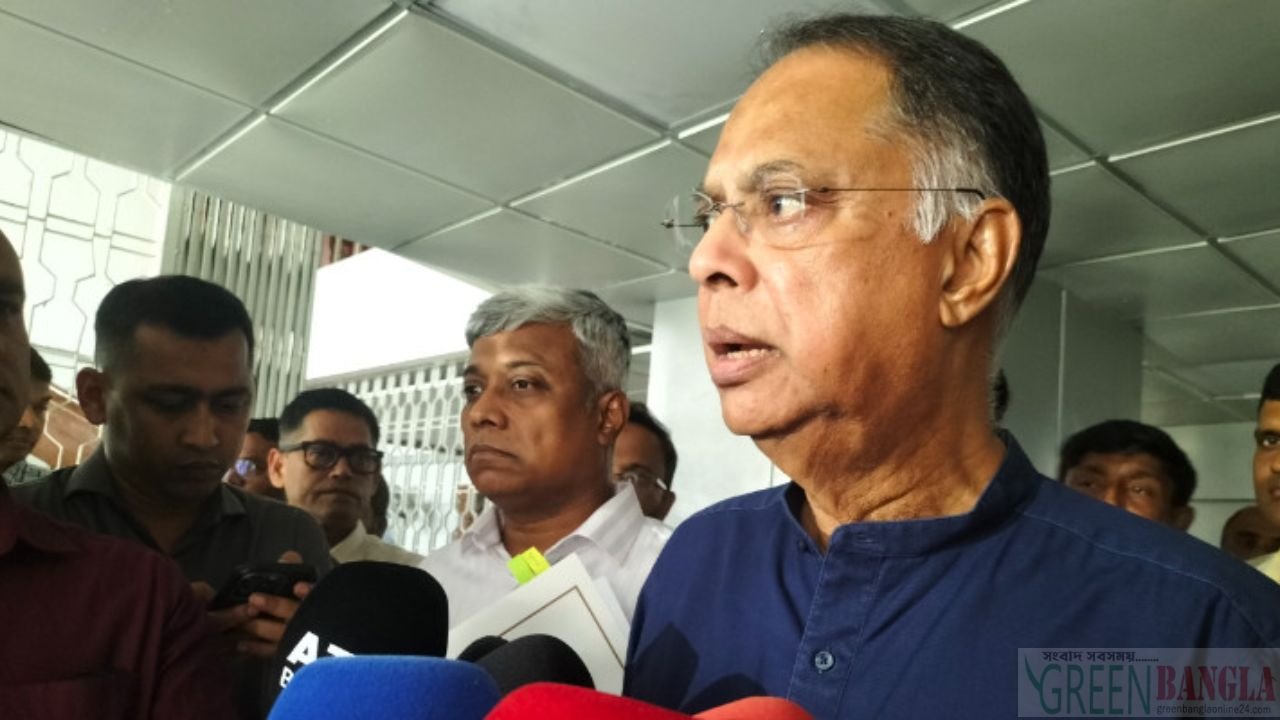
Forced to increase fuel prices due to pressure of situation – Energy Minister
Power, Energy and Mineral Resources Minister Iqbal Hassan Mahmud Tuku has said that even during the global energy crisis, we did not increase prices, but now we are forced to increase fuel oil prices due to the situation. At the same time, government subsidies on fuel have not been completely withdrawn even after price adjustment.
Rather, the subsidies are still in place, he said. He said this in response to a question from journalists at the Ministry of Power, Energy and Mineral Resources at the Secretariat today, Sunday (April 19). The Energy Minister said that the current situation is practically like a ‘wartime situation’, where fuel prices have increased around the world. The world has adjusted their oil prices.
Even the United States has increased oil prices. In comparison, Bangladesh had kept prices unchanged for a long time. He said that imported fuel was being supplied at a price lower than the price that had fallen since the war began. As a result, the government has been forced to decide to adjust the prices. Fuel is being imported by spending foreign currency.
In the context of the global energy crisis, a new discussion has started on the increase in fuel prices in the country. Recently, the government adjusted the price of fuel by 15 to 20 taka per liter, which could have a multi-dimensional impact on the market. The minister said that even after the price adjustment, the government subsidy on fuel has not been completely withdrawn. Rather, the subsidy is still in place. However, he suggested reviewing the ministry’s accounts to know specific information about its amount.
Responding to a question about the possibility of a negative impact on the market due to this price increase, the minister said, “War means adverse effects. Not only Bangladesh, but the entire world is affected by its impact. There is no way to deny that it will affect our country as well.”
Earlier, the government had said that fuel prices would not be increased in April. Those concerned said that they had to backtrack from that position due to this recent decision. The minister said, “We have not increased prices so far, but we are now forced to do so due to the situation.”
Analysts say that the increase in fuel prices will directly increase transportation costs, which will affect the prices of essential goods. As a result, the cost of living of the common man may increase further. Overall, the instability of the energy market in the global context is putting pressure on the country’s economy and it remains to be seen how effective the government’s coordinated measures are in dealing with its impact.