Talks fail in Islamabad—what will happen now?
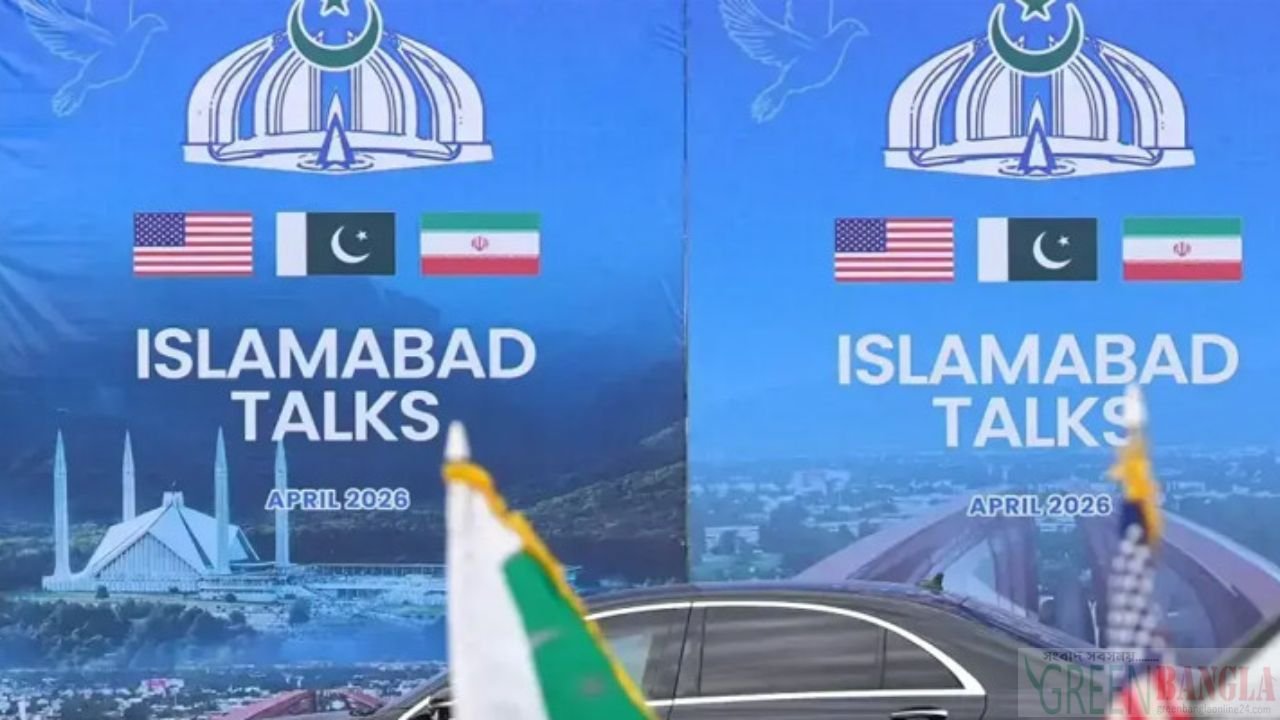
The whole world was looking at Islamabad. Everyone was eagerly waiting for the outcome of the peace talks between the high-level delegations of the US and Iran. But the world did not get any good news. The Islamabad talks ended in failure. The US and Iranian delegations left Pakistan without any ‘peace agreement’.
As a result, now everyone is curious—what will happen now that the talks have failed? Will the two sides return to talks? Or will the US-Iran ceasefire be broken and the conflict resume? The BBC says that both the US and Iran entered these talks with the attitude that they had won the war. Therefore, it was naturally difficult to reach an agreement in such a short time.
And now it seems that it was really impossible. Both sides are blaming each other for the failure of the talks. Last Wednesday (April 8), a ceasefire was brokered between the two sides. Just before the ceasefire, US President Donald Trump threatened to ‘wipe out Iranian civilisation’.
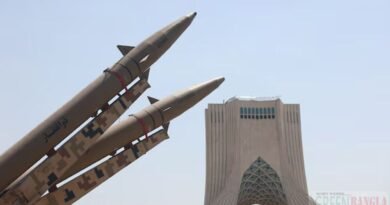
The entire world community was in a state of breathlessness until Pakistani Prime Minister Shahbaz Sharif announced the ceasefire. There were also rumors of the risk of using nuclear weapons. Pakistan brought the two sides to the negotiating table to avoid a certain devastating conflict. That is why peace-loving people were very optimistic about the talks.
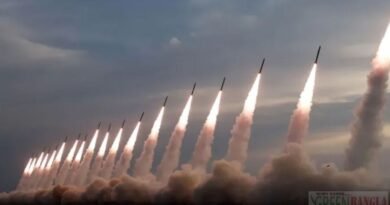
But since the talks in Islamabad have not raised any hope, should the world now spend its time worrying about gnashing its teeth again? The BBC’s Joe Inwood says that there has been no announcement on whether a new attack on Iran will be carried out, but there is no doubt that the possibility of an attack has certainly increased.
The reopening of the Strait of Hormuz, a vital waterway that Iran has partially but effectively blocked, is currently out of the question. However, the presence of two US warships in the Persian Gulf a few days ago suggests that the US may be considering another course of action.
According to the United States, the main obstacle to the success of the talks was Iran’s failure to make credible promises that it would never develop nuclear weapons. Iran has always claimed that it does not want to develop nuclear weapons, but the experience of two wars in a year will now encourage its nuclear weapons supporters to acquire nuclear power. The direct talks between the United States and Iran were historic, but they may go down in history as a diplomatic failure.