
Houthis Enter Iran-Israel War, World on Path to Terrible Consequences
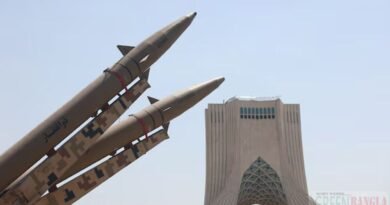
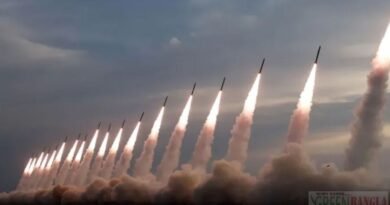
The long-awaited direct involvement of Yemen’s Houthi rebels in the Iran-Israel war is pushing the Middle East conflict towards a dire outcome. According to diplomatic analysts, the fate of the global economy depends not only on whether the Tehran-backed group stops long-range missile and drone attacks on Israel; but also on whether it closes the strategically important Bab al-Mandab Strait. If Iran closes the Strait of Hormuz and the Houthis the Red Sea, it would spell disaster for world trade.
The Shiite Houthis, who have controlled much of Yemen since 2014, are known for their anti-Israel stance, but have not fought directly on Iran’s side so far. Despite the killing of several of their top leaders, including their prime minister and army chief, in an Israeli intelligence operation in August last year, the group has managed to retain its organizational strength. Although a ceasefire brokered by Oman to stop attacks on US ships has been in effect since May 2025, the Houthis have never shown the same flexibility towards Israel. Now, as the Iran-Israel war intensifies, they have begun directly attacking Israeli military installations. Faria al-Muslim, a Middle East expert at Chatham House, warns that continued Houthi attacks in the Red Sea will cause shipping costs and oil prices to skyrocket, further straining an already fragile global economy. In the current situation, major shipping companies are avoiding the Red Sea and choosing the long route to Africa’s Cape of Good Hope, which is causing a standstill in international trade. The Houthis’ move is seen as part of an Iranian strategy to activate regional proxy groups.
However, there are also some internal and regional equations at work behind the Houthis’ campaign. On the one hand, they hope to receive financial benefits from Saudi Arabia, and on the other hand, they want to strengthen their position inside Yemen. Saudi Arabia may currently be interested in negotiating with the Houthis behind the scenes to maintain control and peace in southern Yemen. However, in the end, the Houthis’ real power lies not in firing missiles at Israel, but in their ability to block the sea lanes.
UN special envoy Hans Grundberg has expressed deep concern that this escalation threatens to drag Yemen into the abyss of a regional war. As a result, the peace process in Yemen, which has been torn apart by civil war for more than a decade, will not only be prolonged, but will also exacerbate the suffering of ordinary people and the economic crisis.
Source: The Guardian.