
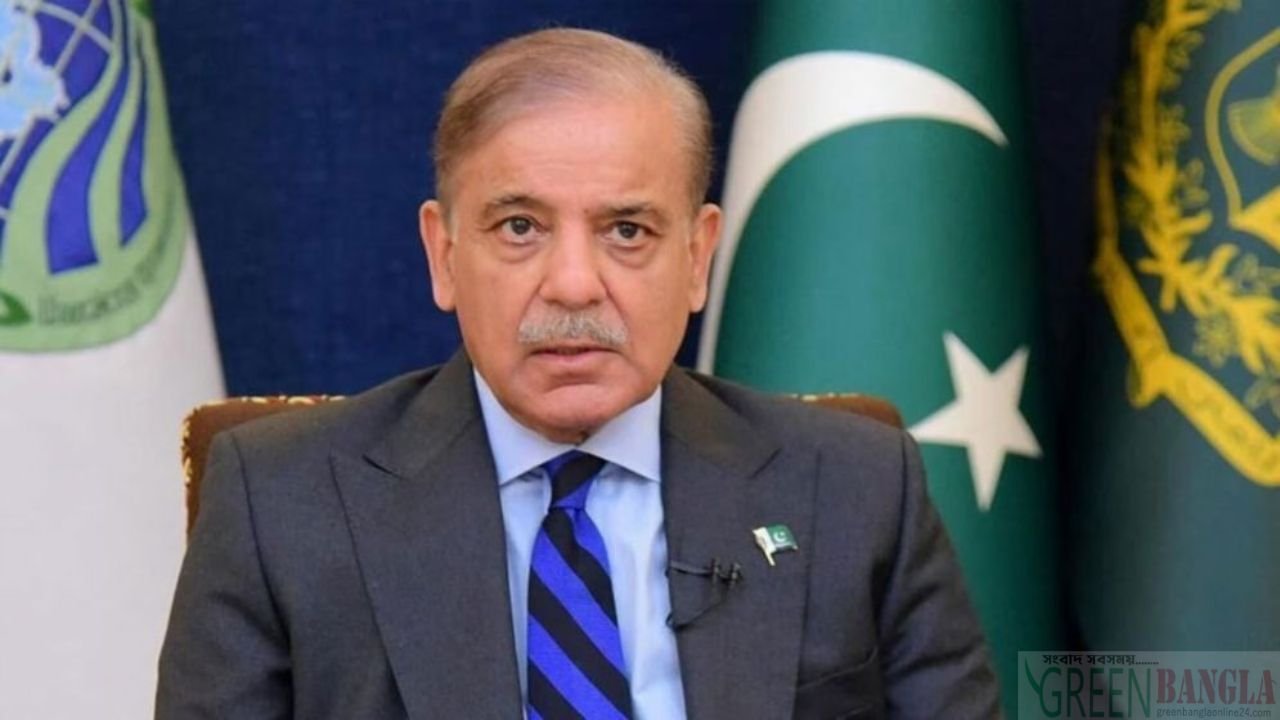
‘We taught India a lesson they will never forget’
Tensions have been high between India and Pakistan since the short war that took place in April-May this year. Leaders and top officials of the two arch-enemies are often seen making offensive statements against each other. Six months have passed since that short war, but there is no sign of normalization of diplomatic relations between the two countries. On the contrary, Pakistan Prime Minister Shahbaz Sharif has once again made strong statements referring to the war.
Speaking at a function organized at Haripur University in Khyber Pakhtunkhwa on Wednesday (December 17), he said that Pakistan taught the Modi-led Indian government a lesson in the April-May conflict. In his words, we taught the Modi government a lesson in the Pakistan-India conflict that they will never forget. The Pakistani Prime Minister said that with the prayers and unwavering support of the nation, the Pakistani armed forces achieved victory in the ‘Marqa-e-Haq’ or ‘Battle of Truth’. From Delhi to Mumbai – the whole of India will never forget this defeat.
At this time, Shahbaz Sharif referred to Khyber Pakhtunkhwa as the land of brave, determined and heroic people and paid tribute to the people of the province, saying that peace has returned to the country due to your sacrifices. Referring to the economic challenges, the Pakistani Prime Minister said that Pakistan was saved from bankruptcy not through ‘magic’ but through hard work. He said that the economy has come out of the crisis and is on the path of stability and now it needs to be taken forward. Stressing on unity as the basis of national progress, he said that the country will move forward only when all four provinces are developed.
It is worth noting that on April 22 this year, 26 people were killed in a terrorist attack in Pahalgam, Jammu and Kashmir. India immediately blamed Pakistan for the attack, but Pakistan strongly rejected it. After that, on April 23, India took one hostile step after another. These included suspending the 65-year-old Indus Waters Treaty (IWOT), cancelling visas for Pakistani citizens, closing the Wagah-Attari border, ordering the closure of the Pakistan High Commission in New Delhi, and reducing the number of staff in the embassies of both countries.


