
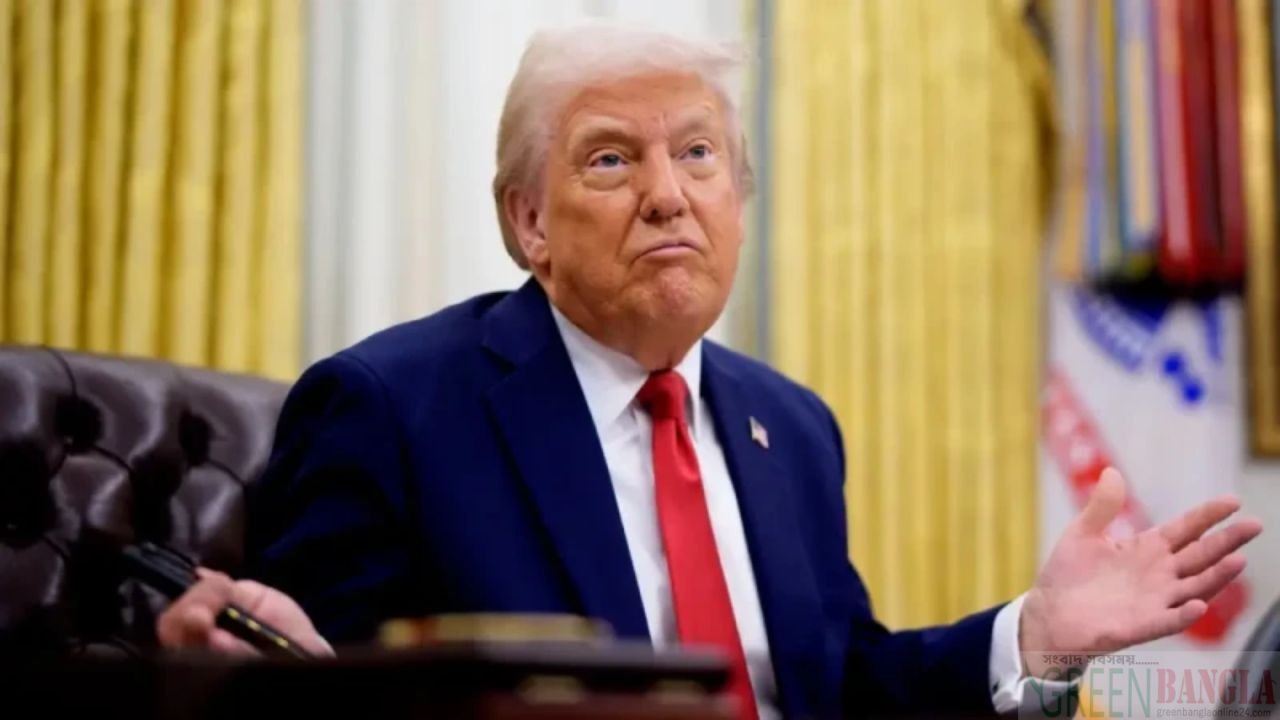
Trump’s tariff policy causes damage, big help for farmers
After imposing tariffs, US President Donald Trump promised, ‘Jobs and factories will roar in the US.’ He claimed that the imposition of taxes on imports would open up foreign markets and break down trade barriers, thereby lowering prices for Americans. But in reality, that did not happen, after the imposition of the announced tariffs, instability began in world trade. The prices of goods also began to rise sharply. As a result, public concern about the cost of living is growing and the Trump administration is under pressure. In this situation, Trump is having to take new steps to deal with the economic and political damage.
Yesterday, Monday (December 8), he announced a $ 12 billion aid package at the White House, which will be given to American farmers – who have suffered major losses mainly due to his own trade policies. The White House said that Trump will travel to Pennsylvania today, Tuesday. The first of several speeches on the issue of cost of living or “affordability” will be held here. Last week, the president dismissed the issue as “the biggest hoax ever created by the Democrats.”
Meanwhile, China, the world’s second-largest economy and the United States’ main rival, released new data today showing that its trade with the United States has shrunk slightly but its trade surplus with the rest of the world is growing by a record amount. This suggests that Beijing is quickly adapting to the new environment, even as the United States has become a tougher place to do business.
And so far, there has been little evidence that manufacturing jobs lost to automation and globalization are returning to American cities. In short, Trump’s tariffs are driving up prices, exacerbating concerns about the cost of living. Manufacturing jobs are not coming back, and inflation is rising again instead of falling. Despite this, Trump claims that his tariffs are working and have helped farmers. According to experts, the tariffs have increased costs in various sectors, including agriculture, and made markets more complicated.


