
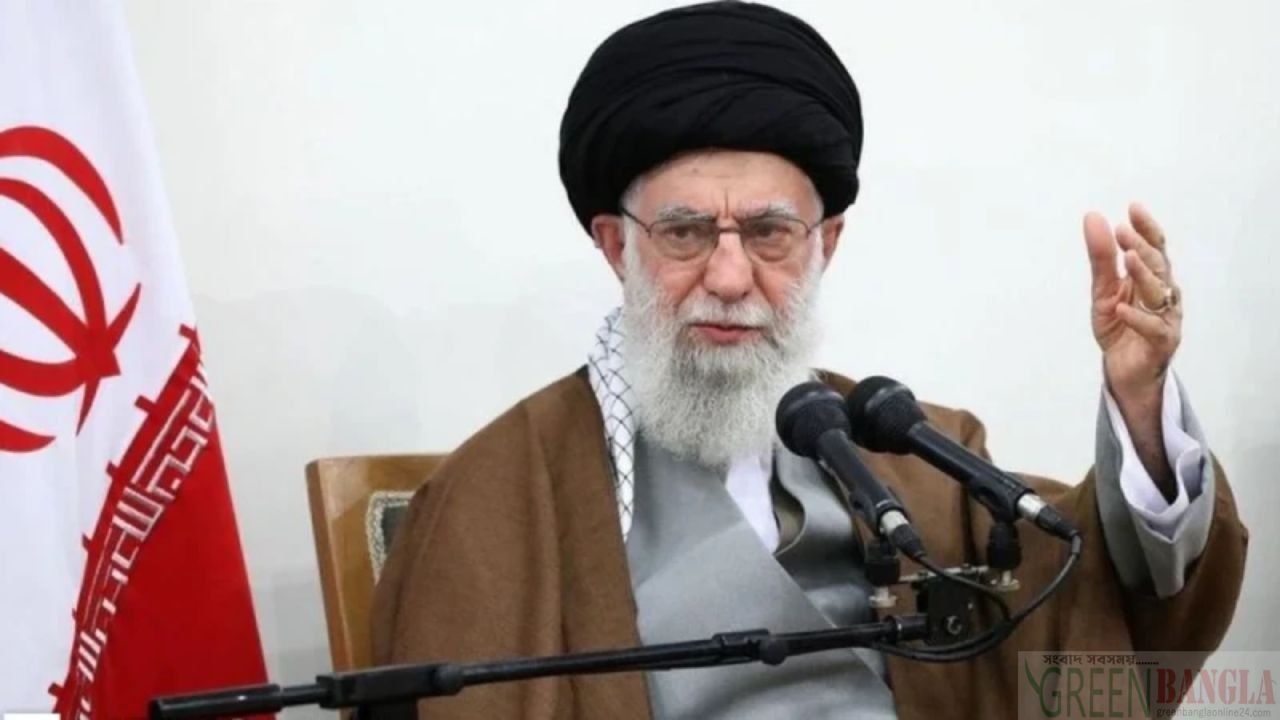
Khamenei’s Fall Could Plunge the Middle East into Deep Crisis
The fall of the Islamic Republic under Ayatollah Ali Khamenei would not only bring about internal changes in Iran, but could also throw the entire geopolitical map of the Middle East into grave uncertainty. According to analysts, Khamenei is at the center of the regional security circle or ‘axis of power’ that Iran has built over the past four decades. The collapse of this vast network in his absence would mean a huge power vacuum.
Proxy networks and the risk of civil war: If Khamenei falls, Hezbollah in Lebanon, the Houthis in Yemen, and Shiite militia groups in Iraq and Syria would lose their main financiers and ideological patrons. Without direct control from Tehran, these armed groups could become uncontrollable, creating a new risk of civil war in those countries. If Iran’s influence in Lebanon and Syria in particular diminishes, the level of direct intervention by Turkey and Israel will increase manifold, which could fuel the fires of regional war.
Shia-Sunni polarization and the rise of extremism: The current Iranian government claims sole leadership of the Shia world. The sudden collapse of this structure would create extreme insecurity among the Shia population. On the other hand, radical Sunni groups such as ISIS or Al Qaeda could regroup taking advantage of this instability. The recent ISIS attack in Syria is just an early warning of this.
Energy security and the global economy: A significant portion of the world’s total mineral oil is transported through the Persian Gulf. If a change of power or internal chaos in Iran disrupts the security of the Strait of Hormuz, oil prices on the global market would spiral out of control.


