
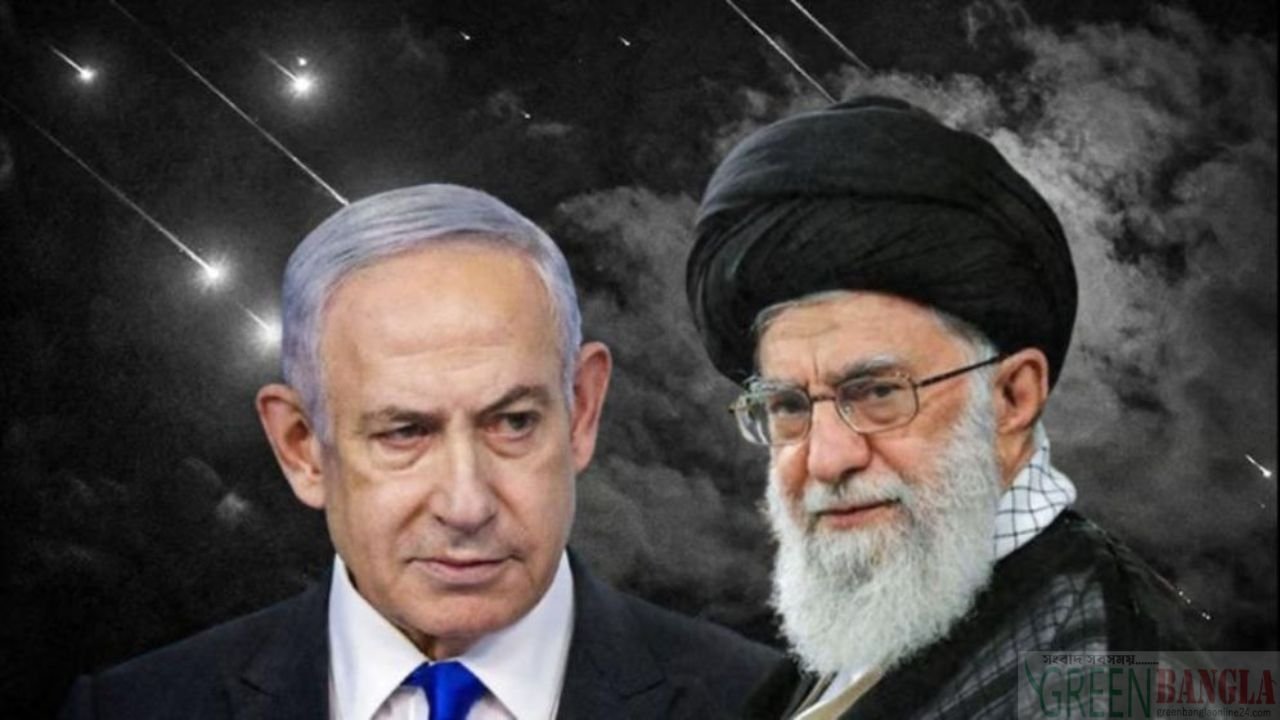
Israel’s vast network behind unrest in Iran, more sensational information revealed
Sensational information has been revealed that Israel is running a well-organized and vast digital propaganda network to incite the current unrest in Iran and restore exiled Crown Prince Reza Pahlavi to power. A joint investigation by the Citizen Lab, a research organization at the University of Toronto in Canada, and Israeli media The Marker and Haaretz has revealed details of this covert operation. The report claims that the campaign is being carried out in Persian with indirect funding from the Israeli government and using artificial intelligence or AI technology.
According to the investigation, the main goal of this digital campaign is to create support for the monarchy among Iranians and to create public opinion against the current government. This network was very active during the Israeli attack on Evin Prison in Tehran last year. Before news of the attack reached Iranian media, fake social media accounts or ‘avatars’ were used to spread news of the explosion and deepfake videos. The network even gave provocative advice to ordinary people to rob banks or break into prisons and free prisoners.
Reza Pahlavi’s visit to Israel in 2023 added a new dimension to the campaign. Israel’s current Science Minister Gila Gamliel introduced him as the ‘Prince of Iran’ and a massive campaign was launched to brighten his image on social media. Citizen Lab noted in their report that the campaign clearly resembled Israeli military operations, indicating that it was likely the work of the Israeli government or one of its contractors.
According to experts, while Reza Pahlavi spoke of democracy abroad, a section of Iranians see him as the heir to his father’s authoritarian rule. According to Tel Aviv-based researcher Raj Zimmat, this public support for Israel actually reinforces the Khamenei government’s claim that foreigners want to turn Iran into a feudal state. The researchers warn that democratic states should refrain from such unethical digital campaigns, as they pose a greater threat to regional stability in the long term.


