
Israel seeks ‘escape route’ from Iran war
Some senior Israeli officials are now expressing concern about the ongoing attacks on Iran. They are looking for possible ways out of the war. They believe that the war needs to be stopped before it becomes more damaging to the regional and global economies.
Talks to end the war are still in the early stages. The decision to stop or continue the attacks is largely in the hands of President Donald Trump. He is still determined to achieve complete victory. The Washington Post spoke by phone on Sunday with a senior Israeli official familiar with Iran war plans and tactics. He declined to be named due to the sensitivity of the situation.
Trump has said different things at different times. At first, he said he would talk to flexible members of the Iranian government. But he later demanded “unconditional surrender.” He said the reason was that his preferred negotiating partners were no longer alive. Israeli Prime Minister Benjamin Netanyahu also said on Saturday that he wanted to move forward at a “moment of truth.”
Trump and Netanyahu’s hardline stance against talks could be strengthened further, because on Sunday, Mojtaba Khamenei was named Iran’s new supreme leader. He is the son of the former supreme leader killed in a US-Israeli strike on February 28. He is a hardliner and has closer ties to the Islamic Revolutionary Guard Corps than his father. He is not the type of person to sit at the negotiating table.
The Israeli official and many others like him are worried about the rising costs of war. Iranian missile attacks on Gulf countries are increasing. Oil and gas prices are rising, raising fears of a global economic crisis. And Trump himself is getting involved in a war without public support. “I’m not sure it’s in our interest to continue fighting until the regime is overthrown. Nobody wants to be on the battlefield indefinitely,” the Israeli official said.
He said the Israeli and American bombing campaign was close to achieving its military goals. The destruction of the remnants of Iran’s nuclear program, ballistic missile arsenal, weapons factories and the top leadership of the military, intelligence and security forces is almost complete.
“Of course we want to overthrow the government, but that is not the end,” he said. “Israel will achieve its goal if the main military targets are destroyed,” he explained. “Iran will not surrender, but it could send a message that they are willing to accept a ceasefire on US terms.”
But the official was not speaking for Netanyahu. Netanyahu said last Sunday that in the later stages of the war, Israel wants to “destabilize the Iranian regime and make change possible.” But the official seemed to echo the sentiments of some in the defense establishment, who are disappointed by Netanyahu’s decision to continue the war in Gaza without clear results and are skeptical of his strategic plan.
“We will not see who will replace the regime,” he said. He said arming the Kurds or other minorities would not be a good strategy, as it would alienate Iran’s majority population.
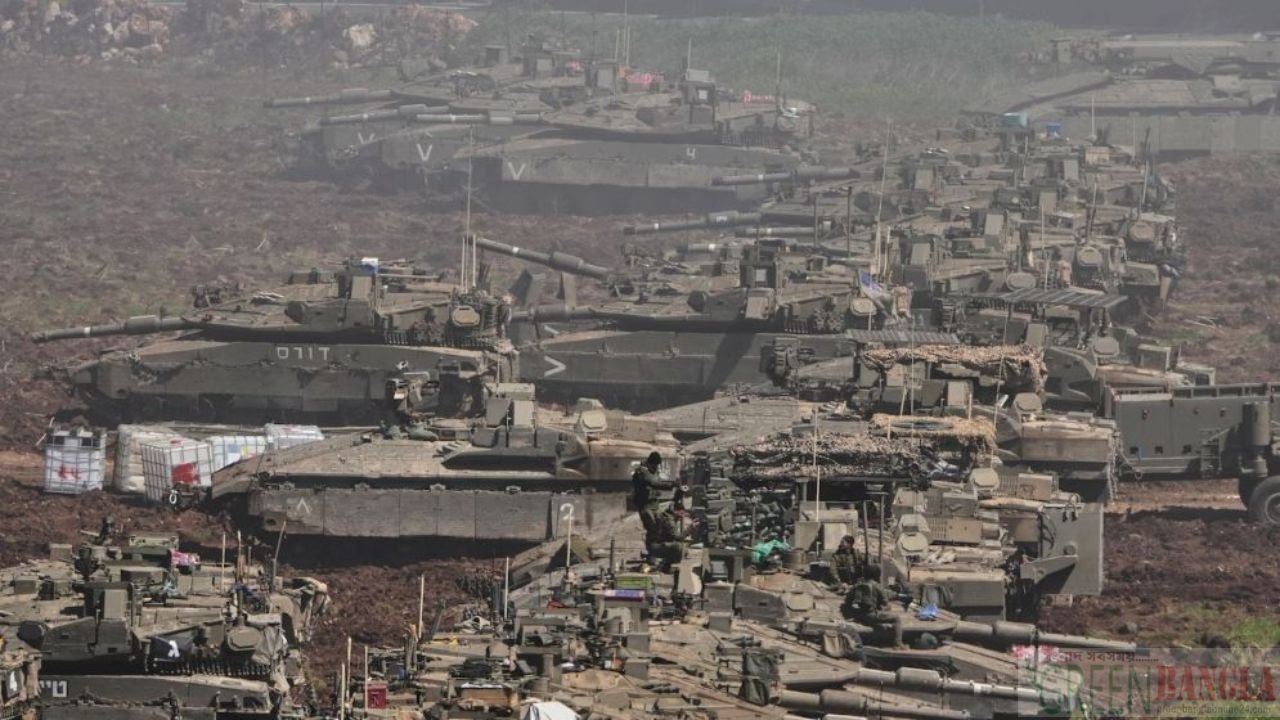
Israeli defense planners have two other concerns. One is the risk of a major ground invasion in Lebanon. “We don’t want to get stuck in the mud,” the official said. Israeli ground forces are stationed in Lebanon to destroy the remnants of Hezbollah near Israel’s northern border, but he said there are “no plans for a major ground operation.”
He also expressed interest in reaching a ceasefire agreement through contacts with Lebanese officials, including Lebanese President Joseph Aoun and Prime Minister Nawaf Salam. The second concern is relations with the United States. Americans on both sides are increasingly concerned about the alliance. “We will not drag the United States into endless war,” the official said. Israel is a “reliable ally,” not a burden, he argued.
Meanwhile, Trump is moving toward the destruction of the Iranian regime. He talks about his dream of building a new Iran. But he has no concrete plan to achieve that goal. The question that arose during the Iraq war is now being heard again – how will this war end?
Source: Washington Post


