
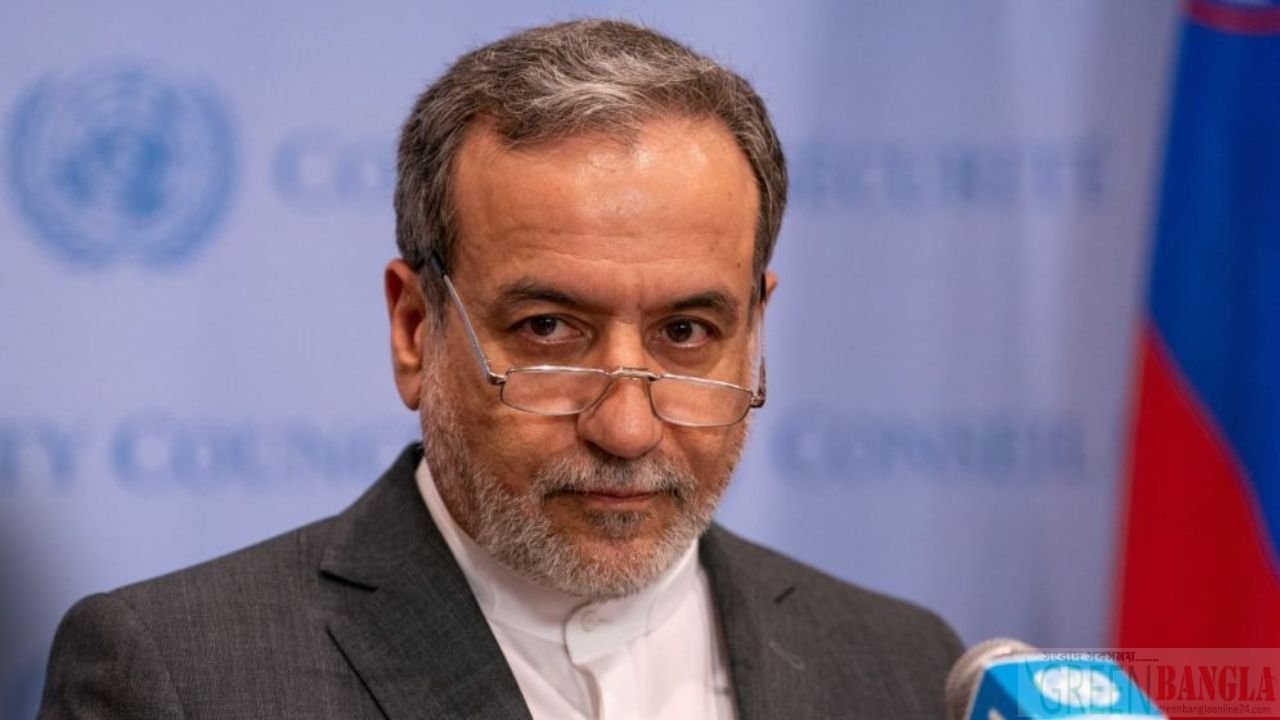
Iran claims ‘positive progress’ in nuclear deal with US
Positive progress has been made between Iran and the US in indirect nuclear talks in Geneva, Switzerland, brokered by Oman. After talks on Tuesday (February 17), Iranian Foreign Minister Abbas Araghchi said that after a long stalemate, the two sides had agreed on some ‘guiding principles’ for drafting a possible deal.
However, the tone in Washington was somewhat mixed. US Vice President JD Vance said that despite progress in some areas, Tehran was not yet ready to accept all of President Trump’s ‘red lines’. Foreign Minister Araghchi said in an interview with Iranian state television that the Geneva meeting had been much more productive than the previous round of talks in Oman. Now, a clear path has been created for both sides and a date for the third round of talks will be set soon after the exchange of the draft agreement. The main goal of the talks is to avoid the risk of a possible US military intervention in Iran’s nuclear program.
Meanwhile, in an interview with Fox News, US Vice President JD Vance said that while the administration prioritizes diplomacy, Tehran must accept US conditions. He warned that the president has the power to take any action if the time for diplomacy is over. Washington is particularly tough on issues such as Iran’s uranium enrichment and missile program.
In addition to the talks, tensions in the Persian Gulf are also at an all-time high. The US recently deployed two aircraft carriers to the region, including the USS Abraham Lincoln, which is located just 700 kilometers from the Iranian coast. In response, Iran’s Supreme Leader Ayatollah Khamenei warned that they have weapons of mass destruction capable of sinking US warships. At the same time, Iran’s Revolutionary Guards have begun military exercises in the strategically important Strait of Hormuz.
Analysts say Tehran may be a little more flexible on uranium enrichment due to the damage to its nuclear facilities in the June war. However, Iran is reluctant to make major concessions on issues such as its missile program or regional influence. Iranian President Masoud Pajhwok has reiterated that it has no intention of developing nuclear weapons, but reserves the right to use nuclear science to improve its medical and agricultural sectors.
Source: Al Jazeera


