
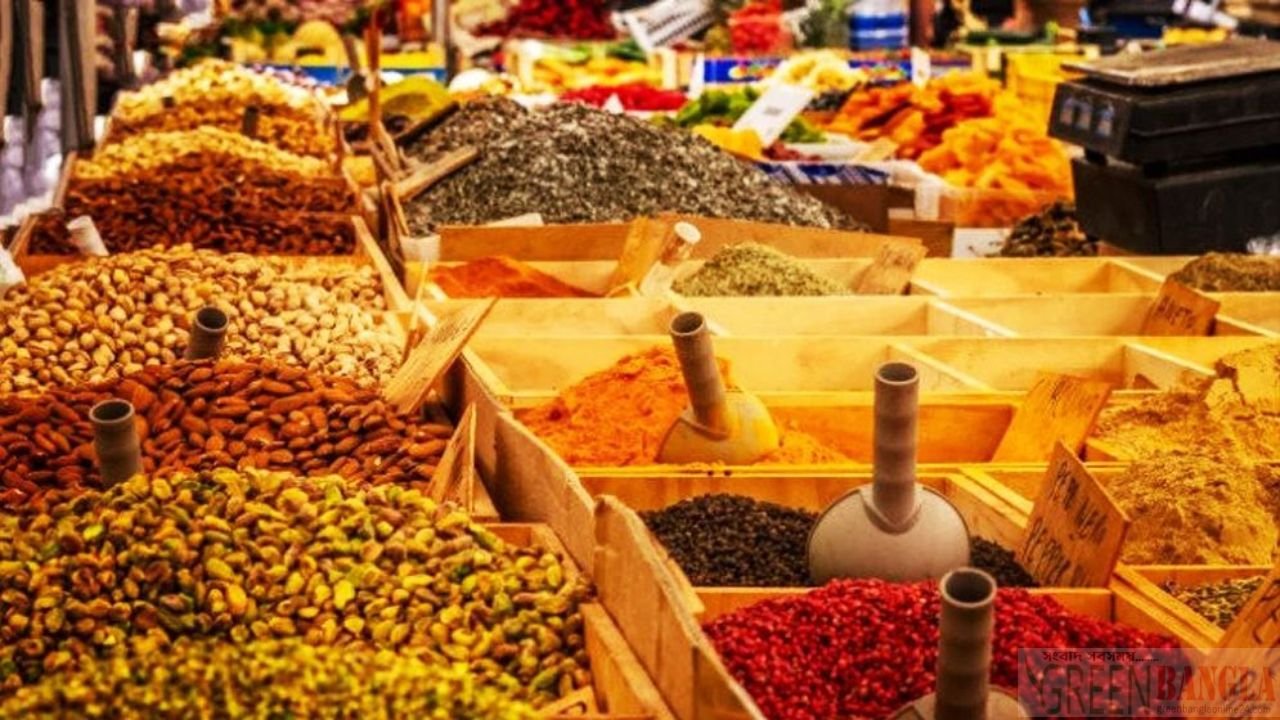
Instability in the Middle East has also affected the country’s spice market
The ongoing war and instability in the Middle East have affected the country’s spice market. The prices of all types of imported spices are increasing. Those concerned say that LCs have started opening and the volume of imports has started decreasing. But wholesalers say that there is no shortage of supply in the market. However, consumers are having to buy at high prices.
Basically, there is no alternative to spices in the splendor of Bengali cooking. Be it Kachchi Biryani or beef, cumin and cardamom, its taste remains incomplete. Potatoes, Bokhra and almonds enhance the taste of cooking. The price of Semba spices has increased significantly.
The price of potato Bokhra in the market has increased from Tk 450 per kg to Tk 1,450. We have to keep a budget for pistachio nuts at Tk 4,200 per kg. Cumin, one of the cooking ingredients, is being sold at Tk 570-850. Wholesalers are claiming that there is no shortage in supply, but they have to buy from importers at higher prices. Shopkeepers say that the wholesale market is quite expensive, which is affecting the retail level.
The production of spices in the country is less than the demand. Therefore, 7 lakh metric tons of spices have to be imported from abroad every year. The war has had a negative impact on the import of spices. The rate of LC opening has decreased by about 10 percent compared to last year. This has been coupled with the increase in international transportation costs. Incidentally, spice imports into the country have decreased by about 15 percent from January to March this year compared to last year.


