
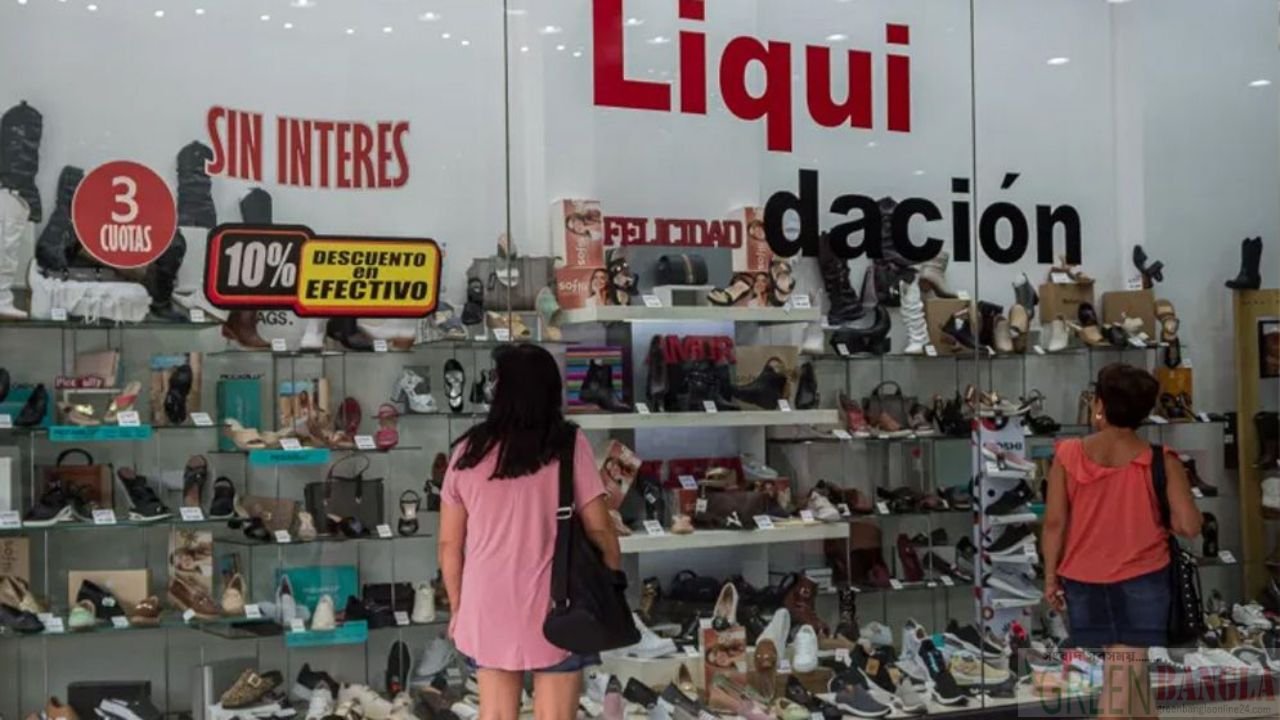
Argentines are borrowing to buy food
Many Argentines are forced to borrow to buy basic necessities, even food. Draining savings, selling things, and spending on credit cards – these are now common scenes. This alarming information has emerged in a report by Al Jazeera.
Diego Nakasio, 43, lives in the Florencio Varela suburb of Buenos Aires. He is a full-time salesman at a large hardware store. His wife also works full-time. However, by the 15th of the month, both of their salaries run out. Then the struggle to survive begins.
They spend the rest of the month looking for extra work, selling household items, using credit cards and taking out small loans. Nakasio said he has not seen such a situation in the past 25 years. Before that, he built a house with little income, bought a car and gave his son a good life. Now he has more income. But he cannot eat for a whole month.
He says that living on debt is very dangerous. Missed payments create new stress. Most people she knows are in the same situation. Everyone’s lives are now filled with anxiety and uncertainty. According to a report by Argentina-based organization Argentina Grand, almost half of the country’s population is using savings or taking out loans to cover daily expenses. Also, a survey by Fundación Penser said that 63 percent of Argentines have limited services and activities to reduce spending.
Violeta Carrera Pereira, a researcher at the Argentina Grand Institute, said the situation is very worrying. People are taking out loans not for houses or cars, but to buy food. This is a big signal. The country’s President Javier Milla took office in December 2023. He adopted a strict economic plan. The goal was to bring financial balance and increase dollar reserves. He claims that this has boosted the economy and reduced poverty. The IMF also forecasts four percent growth in 2026 and 2027.
However, recent figures show a different picture. According to data available up to November 2025, there has been growth in the banking and agricultural sectors. But there has been a major decline in the manufacturing and trade sectors. Many factories and shops have closed due to reduced demand. Food consumption has decreased.
Inflation has fallen slightly. However, experts say that controversial measures have been taken to maintain it. Wage growth has been kept below inflation. Cheap imports have increased. This has reduced the amount of money available to many. Small businesses and factories have suffered.
Critics claim that the inflation measurement basket is outdated. This index, created with the consumer pattern of 2004, does not reflect current reality. Although price increases in sectors such as electricity and fuel are higher, it does not fully reflect it. According to researchers, inequality has also increased. Some groups are able to buy more assets. On the other hand, many are struggling to buy food and medicine.
Teacher and trade unionist Veronica Malfitano says that her salary has fallen by a quarter due to the decision to cut government spending. Shopping is a different matter now. He shops in bulk with relatives. For the first time, he has only made the minimum payment on his credit card. Government data shows that about half of supermarket purchases are now made by credit card. The default rate on personal loans has risen to almost 11 percent, the highest since 2010.
Analyst Lucia Cavallero says debt has been a long-standing problem in Argentina. Now it has become a crisis. The number of informal lenders has increased, increasing the risk. There are proposals for people on low incomes to consolidate loans and repay them over a longer period at low interest rates. But experts say the sustainable solution is wages that are in line with the price of basic goods.


