Iran’s arguments for and against a peace deal with the US
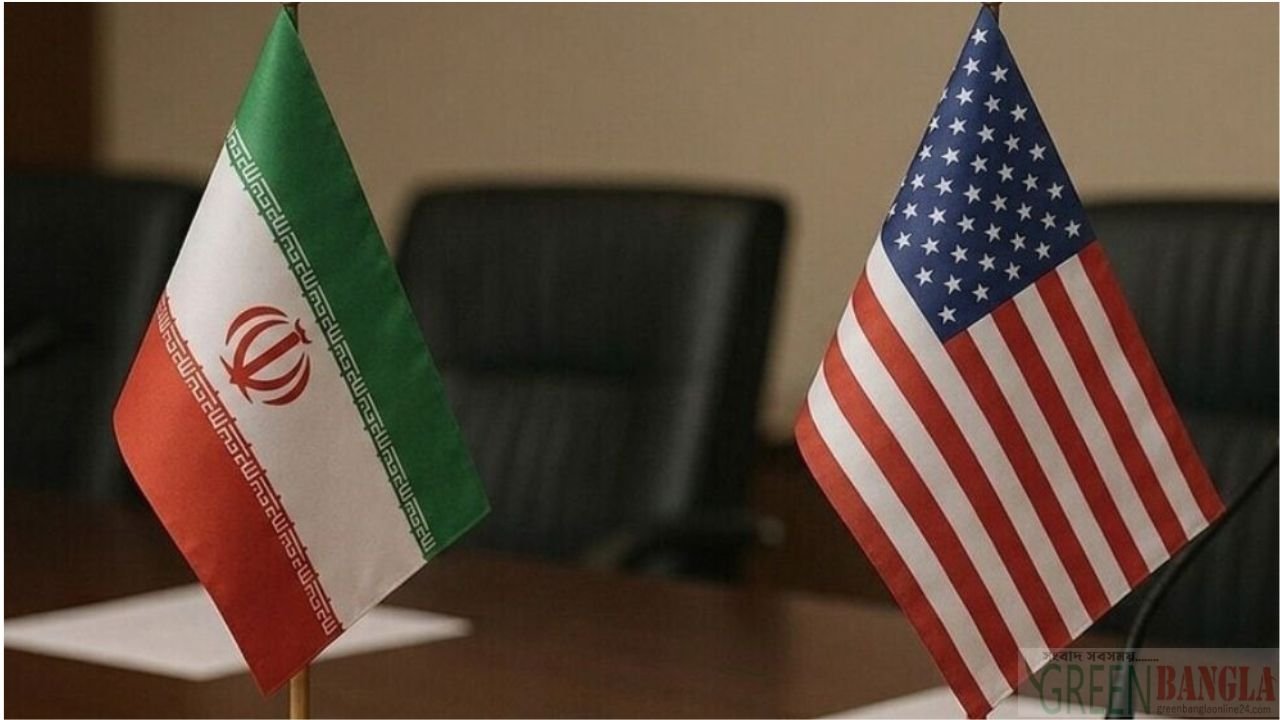
A heated debate has erupted in Iran’s political arena over a possible peace deal or memorandum of understanding with the US. The issue has divided the country’s hardline and moderate political parties. The hardline parties have become more active due to Iran’s Supreme Leader Mojtaba Khamenei’s objections to the interim deal with the US. They are strongly opposed to making any concessions to Washington.
On the other hand, it is believed that the new Supreme Leader Mojtaba Khamenei has handed over the responsibility for the deal to the relatively moderate President Masoud Pajhwok. However, Pajhwok is now facing strong criticism from hardline parties. They fear that even a deal with the US could lead to a new conflict in the future.
The deal reached between Iranian President Masoud Pajhwok and US President Donald Trump, brokered by several countries including Pakistan and Qatar, has also faced challenges from Israeli political parties. They have advocated military action to weaken Tehran’s “axis of resistance,” including Iran and Lebanon’s Hezbollah.
What is Khamenei’s position?
Mojtaba Khamenei has rarely been seen in public since he succeeded his father Ali Khamenei as supreme leader in March. However, his position on the deal with the United States is clear.
A written statement issued on June 18 under the name of Mojtaba Khamenei said he had “principle differences” with the United States over the memorandum of understanding. However, President Pazhoq approved the matter after taking office as head of the Supreme National Security Council.
The statement said Iran would not bow down if the United States tried to make additional demands. It also noted that direct talks did not mean accepting the enemy’s position. Iranian state media reported that Khamenei had set a condition for the deal – approval by at least three-quarters of the Security Council members, including military commanders. However, details of the vote have not yet been released.
Official statement
The Supreme National Security Council said in a statement that it would defend Iran’s interests, national rights and the “resistance front” in talks with the United States. The statement said that the talks would be conducted with full distrust of Washington. It also said that it was ready to take countermeasures if the other side violated any of the terms.
President Masoud Pezeshkian described the deal as a “historic document”. According to him, an opportunity has been created to establish peace based on mutual respect. He wrote on social media platforms that the deal highlights the position of a nation that has not surrendered its independence and dignity to any threat or pressure.
Opposition to hardliners
Parliament Speaker and chief negotiator Mohammad Bagher Ghalibof thanked Khamenei for his “directional and prudent message”. He said the deal would keep the achievements of the war on the negotiating table, but there was a more difficult path ahead. But Khamenei’s supporters believe that Iran should take a tougher stance in talks with the United States. They say Iran should walk away from the talks if the deal does not include key issues, including control of the Strait of Hormuz.
During the war, Paeshkian, Ghalibof and Foreign Minister Abbas Araghchi have been criticized at state-backed rallies in Iranian cities. Hardliners have accused them of favoring further concessions to the United States. Some hardliners have called for a full reconvening of parliament to block any deal that could harm Iran’s interests.
Iranian public and media divided
Ayatollah Ahmad al-Amalhoda, the Friday prayer imam in the holy Shiite city of Mashhad in northeastern Iran, said that Iran’s fight with the United States was not over yet.
On the other hand, Iranian newspapers on Saturday carried headlines about Khamenei’s speech and the memorandum of understanding. Some conservative newspapers said that the Supreme Leader had conditionally approved the deal and that there were still major obstacles to peace with the United States.
However, the reformist newspaper ‘Etemad’ presented the agreement as a ‘document of victory’. All in all, this potential peace deal with the US has created new divisions in Iranian domestic politics. It remains to be seen whether Tehran will ultimately move forward with the agreement, or change its position under pressure from hardliners.
Source: Al Jazeera