Nepal’s mass uprising party on course for landslide victory
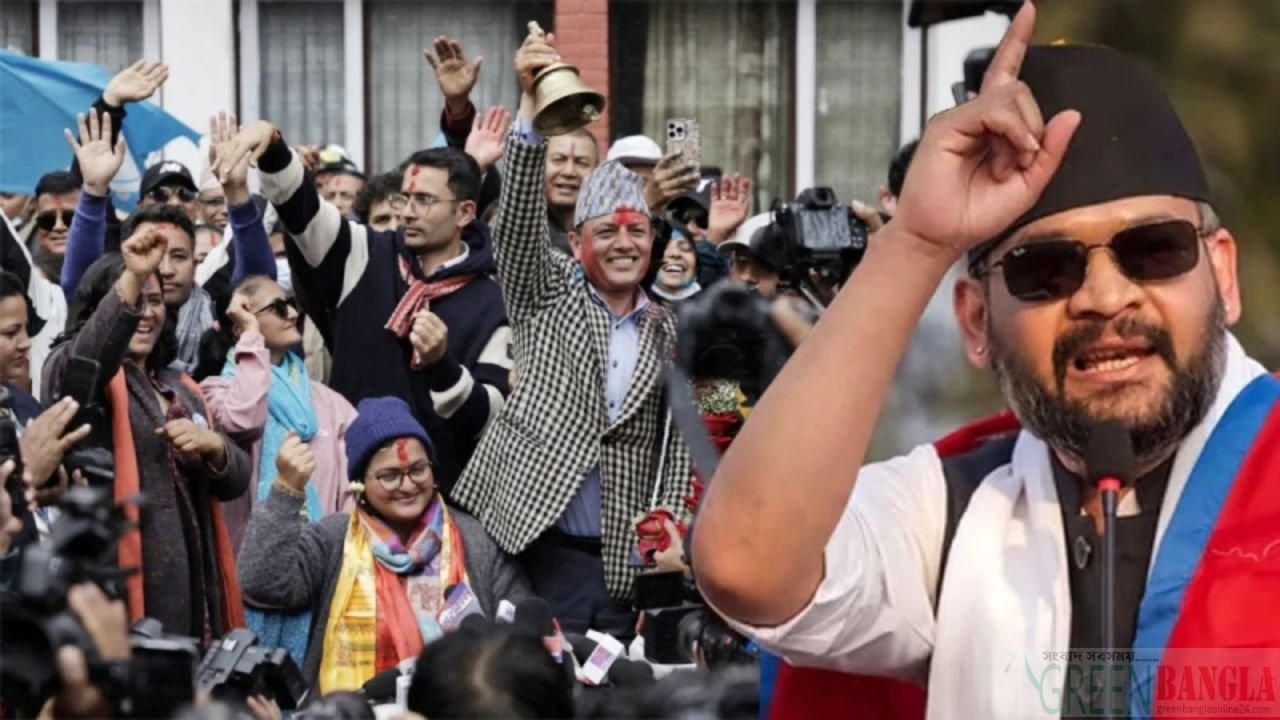
Counting of votes is underway after the general elections held in Nepal after the mass uprising in September 2025. Voting for the elections concluded last Thursday. The Rashtriya Swayamsevak Party (RSP), the choice of the younger generation (Gen-G), which led the mass uprising, is leading by a large margin in the initial results of the elections.
Nepal is holding direct elections in a total of 165 seats. Initial counting shows that the RSP party of former Kathmandu mayor and popular rapper Balendra Shah is leading in 94 seats. The party of former Nepali Prime Minister Oli is leading in 8 seats. And the Nepali Congress of Gagan Thapa, the oldest party in Nepal, is leading in 9 seats. In addition, the party of another former Nepali Prime Minister Pushpa Kamal Dahal alias Prachanda is leading in 7 seats.
The initial results are pretty sure that the RSP is going to form the government with an absolute majority. Balendra Shah was the mayor of Kathmandu during the Gen-G movement. Despite being part of the administration, Desi gained immense popularity by supporting the student uprising. The rapper was the undisputed leader of the youth who led the mass uprising. A large section of Nepal’s younger generation said they wanted to see him as the future prime minister.
The Gen-G uprising in September led to the fall of Prime Minister Oli’s government in Nepal. Three days later, former Chief Justice Sushila Karki was sworn in as the prime minister of the interim government. After discussions at various levels, the Election Commission announced the date of the parliamentary elections on March 5. Accordingly, general elections were held in Nepal last Thursday (March 5). 65 political parties participated in the elections.
After the fall of the Oli government in Nepal in the Gen-G uprising, many found Bangladeshi influence in it. The anti-discrimination student movement and subsequent mass uprising led to the fall of Sheikh Hasina’s government in Bangladesh in August 2024. The youth who led the uprising later formed a new party called the National Citizens’ Party (NCP).
After the general elections in Bangladesh on February 12, it was seen that the people of that country have put their trust in the old party BNP. The NCP could not do very promising results. But the situation in Nepal is completely opposite. After the initial counting, it is seen that the country is not putting its trust in the old or familiar parties, but in relatively new parties and new leaders.