Iran in Deep Crisis Over Nuclear, Economic Pressure
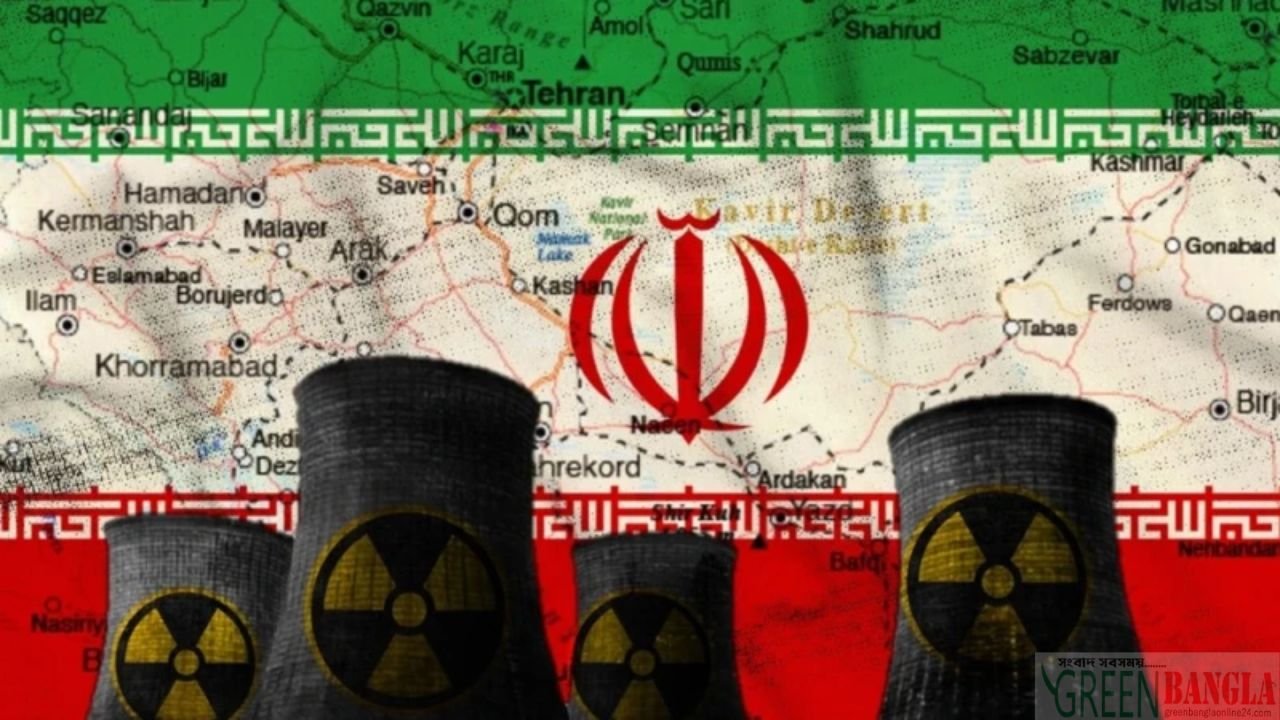
Iran’s religious leaders are in their deepest crisis since the 1979 Islamic Revolution. The country’s growing economic pressure, inflation and public discontent have intensified since the final collapse of a nuclear deal with the West. The twin crises have left Iran increasingly isolated on the international stage and divided internally.
The United Nations imposed new sanctions on Iran on Saturday (September 27). The decision came after last-minute talks with Tehran and European powers Britain, France and Germany failed to reach a solution.
Four senior Iranian officials and two inside sources told Reuters that the country’s economic isolation would deepen and public anger would intensify if there was no major breakthrough with the West.
One official said the religious leaders were trapped in a situation where the Islamic republic’s very existence was at stake. The people could no longer tolerate economic pressure or war.
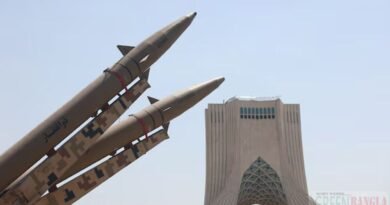
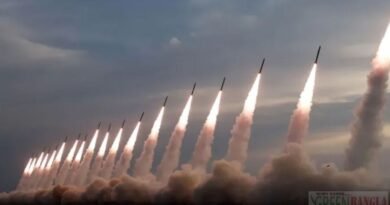
Tehran is increasingly worried about the possibility of an Israeli attack. Israel could again launch air strikes on Iran’s nuclear facilities if nuclear talks fail. Israeli air strikes and US strikes during the 12-day war in June stunned Tehran.
US President Donald Trump and Israeli Prime Minister Benjamin Netanyahu have warned that they would not hesitate to strike Tehran immediately if it resumes uranium enrichment.
Sanctions have put severe pressure on Iran, which is still dependent on its main oil buyer, China. But the new restrictions also threaten its exports.
Ordinary Iranians are angry about a prolonged economic crisis, inflation and the rising cost of living. According to official figures, inflation is around 40%, but some sources say it is more than 50%. The cost of food, rent and utilities has skyrocketed.
“We are already struggling to survive. The new sanctions mean more pressure,” Shima, a 36-year-old Tehran schoolteacher and mother of two, told Reuters. How will we survive?’
This could lead to public outrage turning into major protests, which would further weaken the country on the international stage.
Moreover, divisions over strategy have grown within the ruling elite. Some favor a tough stance, while others believe that excessive harshness could lead to the collapse of the Islamic Republic.
Many analysts believe that Tehran’s options in this situation are limited – neither war nor a deal, but rather continuing negotiations and buying time.